Starvation is a Medical Emergency: What Malnutrition Really Does to the Body and Brain

Updated: Mar 25
Starvation is a Medical Emergency: What Malnutrition Really Does to the Body and Brain
Victoria Schonwald, Eating Disorder Dietitian
When most people picture anorexia nervosa, they imagine someone extremely thin. But the reality is far more complex and far more dangerous. Malnutrition does not just affect weight. It affects the brain, hormones, heart, bones, and nearly every organ in the body. Starvation is a medical emergency, and the cost of underestimating it can be fatal.
As an eating disorder dietitian, I have seen people dismissed, delayed, or denied treatment, not because they were not unwell, but because their malnutrition did not look right. Weight is an unreliable proxy for nutritional status. The truth is that starvation is systemic and profound, and recovery begins with food.
The Brain is the Hungriest Organ
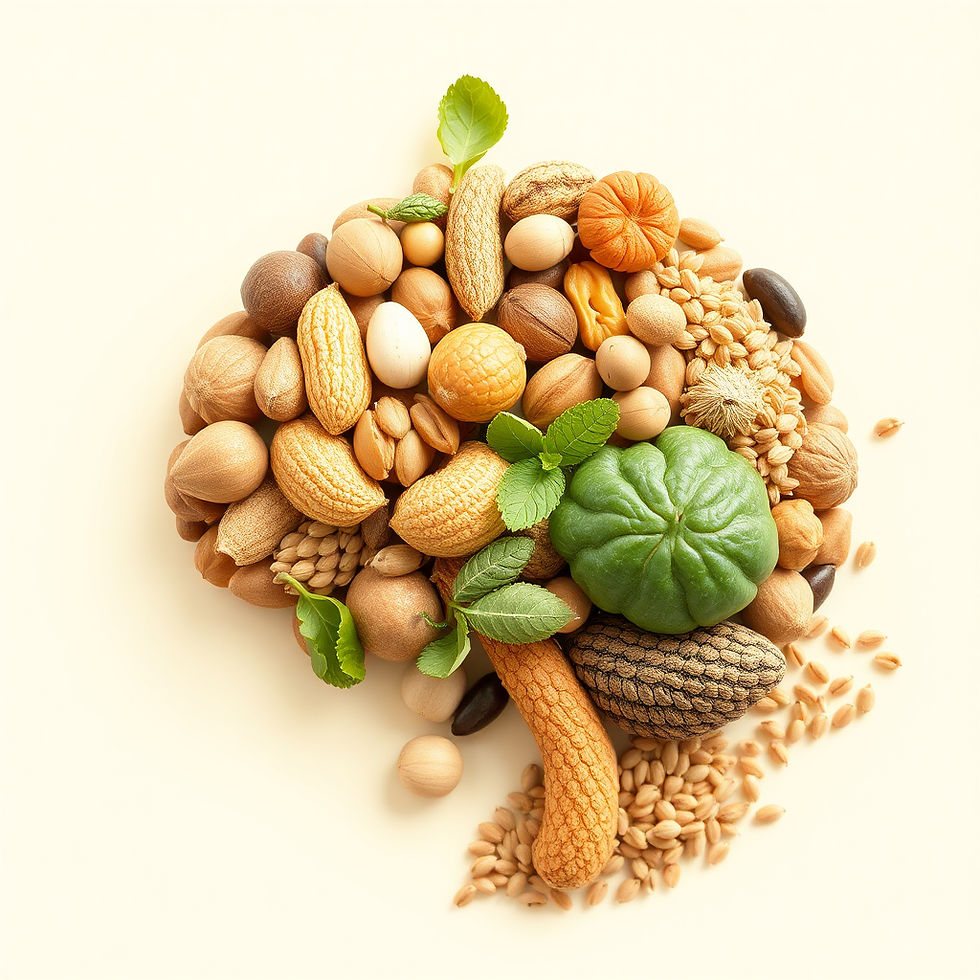
The brain makes up just 2% of body weight, yet it consumes 20–25% of the body’s energy at rest. When nutrition is inadequate, the consequences are significant and measurable.
• Grey matter volume shrinks
• Cognitive flexibility declines
• Emotional regulation becomes impaired
• Memory and learning are disrupted
Neuroimaging studies show these changes can begin early in the illness and worsen over time. (1,2,3) The cruel irony is that starvation directly impairs the very thinking needed to engage in recovery. Obsessive thoughts intensify, fear responses strengthen, and cognitive flexibility, essential for change, narrows.
The good news is that with consistent, adequate nutrition, most of these changes are largely reversible. However, brain recovery is slow, typically taking 6–24 months of sustained nourishment. (1) This is why food is not simply support for therapy, it is what makes therapy neurologically possible.
Starvation Affects Every Organ
Malnutrition reaches far beyond the brain. Every major organ system is affected.
Heart
Loss of cardiac muscle mass leads to a slow heart rate, low blood pressure, and a significantly increased risk of sudden cardiac events. Cardiac complications are among the leading causes of death in anorexia nervosa. (4)
Bones
People with anorexia nervosa have up to seven times the fracture risk of the general population. (5) Bone loss can begin in adolescence and may never fully recover, making early and adequate nutritional rehabilitation critical. Osteopenia is reported in 25–90% of adult women with anorexia nervosa, and osteoporosis in 19–44%. (6)
Hormones
Reproductive hormones shut down in response to energy deprivation, causing the loss of menstrual periods, a condition known as functional hypothalamic amenorrhoea (FHA). (7) This is not simply an inconvenience. Oestrogen is essential for bone health, cardiovascular protection, mood, cognition, and skin and hair quality. Thyroid hormones and appetite-regulating hormones are also disrupted, further impairing energy, mood, and metabolic function. (7,8)
Neurotransmitters
Production of serotonin, dopamine, and GABA declines in states of malnutrition. These neurotransmitters regulate mood, motivation, and cognitive clarity. Serotonin synthesis alone requires tryptophan, iron, vitamin B6, and carbohydrates simultaneously, which is why supplementing single nutrients cannot restore function. Full-body nourishment is required. (9)
Refeeding Risks
Reintroducing nutrition without monitoring can trigger refeeding syndrome, a potentially fatal shift in electrolytes including phosphate, potassium, and magnesium. (10,11) Current guidelines recommend prophylactic supplementation with thiamine, phosphate, and magnesium, alongside daily blood monitoring, particularly in high-risk patients. (12,13)
Nutritional Rehabilitation: What It Really Means
Recovery is not about a high-calorie diet. It is about systematically restoring what starvation has stolen, and the energy requirements are often far higher than most people expect.
Energy Needs
Research shows that inpatient nutritional protocols typically begin at 30–40 kcal/kg/day, escalating to 70–100 kcal/kg/day as treatment progresses. (9,14) In practice, this translates to:
• Adults: 2,500–3,500+ kcal/day
• Adolescents: 3,000–4,500+ kcal/day
• Severely underweight or hypermetabolic individuals: 4,000–5,000+ kcal/day
Energy expenditure in anorexia nervosa is dynamic and often unpredictable. Adaptive hypometabolism on admission can give way to significant rebound hypermetabolism as weight is restored, meaning caloric needs can increase substantially and must be monitored individually. (15)
Macronutrients
• Protein: essential for neurotransmitter synthesis and tissue repair
• Fats: 60% of the brain is fat; omega-3s and saturated fats are both required for neurological recovery
• Carbohydrates: the preferred brain fuel, and necessary for serotonin production
Micronutrients
Iron, zinc, folate, B12, magnesium, phosphate, thiamine, and iodine are commonly depleted and often require supplementation during early refeeding.
Meal Structure
Nutritional rehabilitation typically involves three meals and two to three snacks daily, with individualised plans based on age, weight, activity level, and medical status.
Recovery Timeline
• Weight restoration: 3–6 months (often longer)
• Brain recovery: 6–24 months(1)
• Hormonal recovery: may lag behind weight restoration
• Bone recovery: can take years; sometimes incomplete
Why the Body Prioritises Survival Over Everything Else
In states of starvation, the body protects its most vital functions, heart rhythm, kidney filtration, blood pressure, and brainstem activity. Non-essential systems are deprioritised, sometimes permanently.
Oestrogen and Menstrual Loss
Starvation suppresses the hypothalamic-pituitary-ovarian axis, causing gonadotropin-releasing hormone to fall and oestrogen production to drop. (7) Periods stop because the body has determined that reproduction is metabolically unaffordable. Oestrogen deficiency is not a side effect, it is a driver of bone loss, mood disruption, cognitive impairment, and cardiovascular risk. In amenorrhoeic women with anorexia nervosa, bone mineral density declines by approximately 2.4% at the hip and 2.6% at the spine annually. (6)
Hair Loss
Hair is classified by the body as non-essential. In malnutrition, growth slows and shedding increases. Hair requires protein, iron, zinc, biotin, B12, folate, and essential fatty acids to grow. Notably, hair loss that occurs during early recovery often reflects past malnutrition, not a failure of treatment, a fact that is important for patients and families to understand.
Psychological Recovery Depends on Nutrition
Evidence-based therapies, CBT, DBT, ACT, are effective only when the brain is adequately nourished. A starved brain cannot engage meaningfully with psychological treatment. Cognitive flexibility, emotional processing, and the capacity to tolerate uncertainty all require fuel. (1,3)
This is the central argument of my book Food Mad: that food is not an adjunct to recovery, it is the foundation on which all other treatment rests. The neuroscience of the starved brain makes this not a philosophy, but a biological fact.
Key Takeaways
• Malnutrition is life-threatening, even when the weight does not appear dangerously low
• Recovery begins with consistent, adequate nutrition, not therapy alone
• The brain, hormones, and bones all require sustained nourishment to heal
• Energy needs during recovery are often significantly higher than expected
• Refeeding must be medically supervised to prevent refeeding syndrome
• Eating disorders are medical emergencies requiring a dietitian-led nutrition plan
References
1. Miles S, Gnaneswaran N, Espie CA, Ezzat S, Pugh M, Johnston A, et al. Structural and functional brain changes in anorexia nervosa: a systematic review. J Psychiatr Res. 2020;129:95–112.
2. Bernardoni F, King JA, Geisler D, Birn R, Tam F, Frisch S, et al. Regional grey matter volume abnormalities in anorexia nervosa and their reversibility. J Psychiatry Neurosci. 2023;48(1):E55–64.
3. Kaye WH, Wierenga CE, Bischoff-Grethe A, Berner LA, Ely AV, Bailer UF, et al. Neural insistence on reward during caloric restriction in women remitted from anorexia nervosa. Int J Eat Disord. 2024;57(2):250–62.
4. Sachs KV, Harnke B, Mehler PS, Krantz MJ. Cardiovascular complications of anorexia nervosa: a systematic review. Int J Eat Disord. 2016;49(3):238–48.
5. Solmi M, Veronese N, Correll CU, Favaro A, Santonastaso P, Caregaro L, et al. Bone mineral density, osteoporosis, and fractures among people with eating disorders: a systematic review and meta-analysis. Acta Psychiatr Scand. 2021;143(2):100–17.
6. Indirli R, Lanzi V, Mantovani G, Arosio M, Ferrante E. Bone health in functional hypothalamic amenorrhea: what the endocrinologist needs to know. Front Endocrinol. 2022;13:946695.
7. Pedreira CC, Maya J, Misra M. Functional hypothalamic amenorrhea: impact on bone and neuropsychiatric outcomes. Front Endocrinol. 2022;13:953180.
8. Gordon CM, Ackerman KE, Berga SL, Kaplan JR, Mastorakos G, Misra M, et al. Functional hypothalamic amenorrhea: an Endocrine Society clinical practice guideline. J Clin Endocrinol Metab. 2017;102(5):1413–39.
9. Garber AK, Mauldin K, Michihata N, Buckelew SM, Shafer M-A, Moscicki A-B. Higher calorie diets increase rate of weight gain and shorten hospital stay in hospitalized adolescents with anorexia nervosa. J Adolesc Health. 2016;53(5):579–84.
10. Crook MA, Hally V, Panteli JV. The importance of the refeeding syndrome. Nutrition. 2001;17(7–8):632–37.
11. Da Silva JSV, Seres DS, Sabino K, Adams SC, Berdahl GJ, Citty SW, et al. ASPEN consensus recommendations for refeeding syndrome. Nutr Clin Pract. 2020;35(2):178–95.
12. National Institute for Health and Care Excellence. Eating disorders: recognition and treatment. NICE Guideline NG206. London: NICE; 2022.
13. Hay P, Chinn D, Forbes D, Madden S, Newton R, Sugenor L, et al. Royal Australian and New Zealand College of Psychiatrists clinical practice guidelines for the treatment of eating disorders. Aust N Z J Psychiatry. 2025; [in press].
14. Rocks T, Pelly F, Wilkinson P. Nutrition therapy during initiation of refeeding in underweight children and adolescent inpatients with anorexia nervosa: a systematic review of the evidence. J Acad Nutr Diet. 2014;114(6):897–907.
15. Luy SC, Dampil OA, Villarama JB, Julaif Y. Energy expenditure during nutritional rehabilitation: a scoping review to investigate hypermetabolism in individuals with anorexia nervosa. J Eat Disord. 2024;12:73.
These themes are explored in greater depth in Food Mad by Victoria Schonwald, a resource for clinicians, carers, and anyone seeking a clearer understanding of why nutrition is foundational, not optional, in eating disorder recovery.


Comments