What to Expect When You Work With The Eat Clinic

Updated: Dec 23, 2025
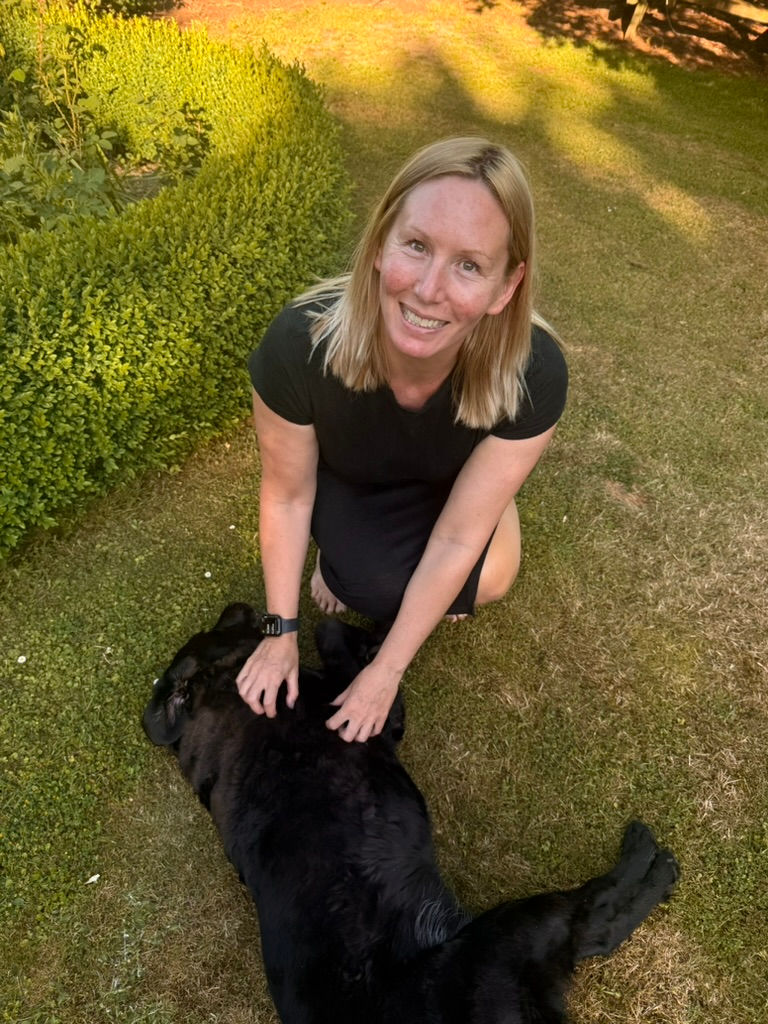
Starting eating disorder or disordered eating support can feel daunting — especially if you’ve had unhelpful, rushed, or invalidating experiences in the past. This page is here to clearly explain what working with The Eat Clinic actually looks like, so you know what you’re walking into.
No surprises. No judgement. No vague promises.
Before Your First Session
Before we meet, you’ll complete an intake form that helps me understand:
Your eating history and current concerns
Medical background (including weight history, medications, and blood work if available)
Where you’re at with recovery — physically, mentally, and emotionally
This means we don’t waste your first session gathering basic information. We start with what matters.
Your First Session
The first session is about assessment and understanding, not “fixing” everything immediately.
We will usually cover:
Your eating patterns and nutrition intake
Signs of malnutrition or under-fueling (even if weight appears “normal”)
How food restriction is affecting your brain, mood, digestion, and body
Your recovery goals — and any fears about change
You won’t be pushed, shamed, or told to “just eat more” without explanation. Education matters, especially in eating disorder recovery.
Ongoing Sessions: What We Actually Do
Sessions are structured but flexible. Depending on what you need, this may include:
Nutrition rehabilitation planningClear, practical guidance on eating regularly and adequately — tailored to you.
Explaining the scienceHow malnutrition affects the brain, gut, hormones, emotions, and decision-making — so recovery makes sense, not just feels scary.
Problem-solving real life barriersWork, family, finances, food access, sensory issues, diabetes, gut symptoms, or fear foods.
Reviewing progress safelyWe look at what’s improving, what’s stuck, and why — without blame.
Written session summariesMany clients receive a summary after sessions to help consolidate learning and reduce overwhelm.
This is not passive therapy. It’s active, collaborative work.
What This Is (and Isn’t)
This is:
Evidence-based eating disorder nutrition care
Recovery-oriented, not weight-loss focused
Direct, honest, and medically informed
This isn’t:
Meal plans with no explanation
Moralising food or bodies
A focus on willpower or “compliance”
Diet culture disguised as health
If something isn’t helping, we talk about it.
Medical Safety and Scope
I work within a strong medical framework. If there are signs of medical instability or risk, I will:
Encourage GP involvement
Communicate clearly about risk
Support escalation of care when needed
This is about keeping you safe — not taking control away from you.
How Long Do People Work With The Eat Clinic?
There’s no fixed timeline.
Some clients work with me short-term to:
Restore regular eating
Stabilise medically
Understand what’s happening to their body
Others stay longer for:
Full nutrition rehabilitation
Relapse prevention
Complex eating disorders, ARFID, or co-existing conditions
We review this together — you’re not locked in.
A Final Word
Recovery is not about being “good enough” to deserve care.
If eating feels hard, confusing, or frightening — that’s enough reason to get support.
You don’t need to be at rock bottom. You don’t need to prove you’re sick. You don’t need to do this alone.
FAQ Section
Frequently Asked Questions
Do I need to be underweight to see an eating disorder dietitian?
No. Eating disorders and malnutrition can occur at any weight. Nutrition rehabilitation is based on health, not appearance.
Is this weight loss or diet coaching?
No. The Eat Clinic provides recovery-focused nutrition care, not weight loss or dieting.
Will you give me a meal plan?
Sometimes structure is used, but always with explanation and flexibility. Education and collaboration matter.
Do I need a GP referral in New Zealand?
No referral is required, but GP involvement is encouraged when medical monitoring is needed.
Do you work with anorexia, bulimia, binge eating disorder, and ARFID?
Yes. Support is tailored to the specific eating disorder and individual needs.



Comments